Jaffna’s Outer Islands: Delft Island and Nainativu
The road north doesn’t just end; it dissolves. It’s a slow surrender where the sun-cracked asphalt of the A9 highway eventually gives way to the salt-spray of the Palk Strait. To travel to Jaffna’s outer islands, Delft, Nainativu, and the smaller, quieter specks of land—is to engage in an act of geographical trust. You are leaving the “main” behind and stepping into a world where the sea doesn’t just surround you; it dictates your schedule, your diet, and your very sense of time.
If you are planning to follow this road to its literal end, you’ll need a base. Jaffna town is that anchor, a city that has spent the last decade waking up, shaking off the dust of history, and opening its doors with a level of hospitality that feels both ancient and urgent.
Where to Stay: From Heritage Villas to Modern Heights
Jaffna’s accommodation scene is a fascinating map of its own history. You have the grand colonial “Illams” (ancestral homes) that have been restored to their former glory, and the high-rise hotels that represent the city’s forward-looking pulse.
The Luxury & Boutique Selection
For those who want to feel the weight of history without sacrificing a high thread count, the Heritage Properties are unbeatable.
- Fox Jaffna by Fox Resorts: Located in Kokuvil, this is more than a hotel; it’s an art gallery. Set on a sprawling estate that was once a colonial ancestral home, it features two historic villas and a series of modern rooms. The property even houses a hidden bunker from the war years, now transformed into a poignant gallery.
- Jetwing Mahesa Bhawan: This is a boutique gem. It’s a restored family home that captures the “Illam” aesthetic—high ceilings, open courtyards, and a deep sense of privacy. It’s where you go to disappear into a book while the scent of jasmine drifts through the corridors.
- Thambu Illam: A 100-year-old family home turned boutique hotel. It’s small, intimate, and feels like staying with a very wealthy, very tasteful uncle. The pool area is a quiet sanctuary after a dusty day on the islands.
The Modern Mainstays
If you prefer a view of the skyline and the lagoon, the taller buildings in the town centre provide a different perspective.
- Jetwing Jaffna: Standing as one of the tallest buildings in the city, it offers a 360-degree view of the peninsula from its rooftop bar. Looking out over the rooftops toward the Jaffna Fort at sunset is a rite of passage for any traveller.
- NorthGate Jaffna: Located right next to the Jaffna Railway Station, this is the epitome of convenience. If you’re arriving on the Yal Devi express from Colombo, you can walk from the platform to your check-in desk in five minutes. It’s modern, efficient, and has an excellent gym and pool.
- The Thinnai: Situated in Thirunelveli, this “all-suite” hotel is perfect for families. They lean heavily into the “organic” lifestyle, even running their own farm nearby, which supplies the restaurant.
Budget & Authentic Stays
- Valampuri Hotel: A solid mid-range choice near the station with a great pool and very reliable Jaffna-style buffets.
- Green Grass Hotel: A local legend. It’s unpretentious and famous for its “tandoori” nights and lively atmosphere.
- Munril Guest: For a truly local feel, this guesthouse is consistently rated for its cleanliness and the warmth of its owners.
Staying at the Edge: Accommodation on the Islands
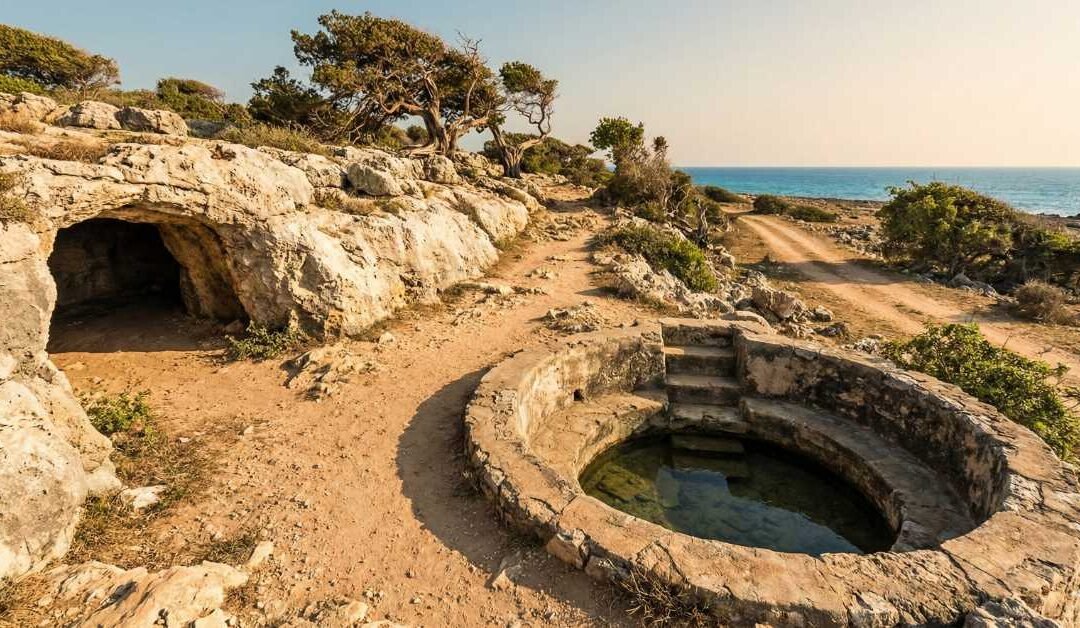
Most people treat Delft and Nainativu as day trips, but there is a profound magic in staying after the last ferry has departed. When the tourists leave, the islands return to the locals, the ponies, and the wind.
- Delft Village Stay: This is the most authentic way to experience the island. You aren’t staying in a luxury resort; you’re staying in a village home or a comfortable tented setup. It’s about the hospitality—Tommy, the host, is well-known for organising tuk-tuk tours and serving home-cooked meals that feature the freshest seafood you will ever taste.
- Delft Jungle Beachfront Villa: If you’ve ever wanted to wake up to the sound of the ocean hitting coral rock, this is your spot. It’s rustic, quiet, and perfectly positioned for those who want to explore the island on two wheels.
Beyond the Islands: More Places to Discover
If you think Jaffna begins and ends with the islands, you’re missing the heartbeat of the peninsula. Once you’ve crossed the causeways back to the mainland, several “must-visit” sites define the North.
1. Keerimalai: The Mongoose Hill and Sacred Springs
About 20 kilometres north of Jaffna town lies Keerimalai. Legend has it that an Indian sage with a mongoose-like face (Nagula Muni) bathed in these natural springs and was cured of his deformity. Today, the Keerimalai Springs are a popular spot for a ritual dip. The freshwater pool sits right on the edge of the turquoise sea, separated only by a low stone wall. Next door is the Naguleswaram Kovil, one of the five ancient Shiva temples (Ishwarams) on the island, a place of immense spiritual gravity.
2. Kandarodai (Kadurugoda) Viharaya
Deep in the heart of the palmyra groves is a site that looks like nothing else in Sri Lanka. Kandarodai features a cluster of about 20 miniature stupas made of coral stone. No one is quite sure who built them or why they are so small—some say they mark the burial sites of 60 monks—but the atmosphere is undeniably eerie and beautiful. It feels like an archaeological secret that the rest of the world hasn’t quite discovered yet.
3. Point Pedro and Sakkottai Cape
If you want to reach the absolute top of the country, head to Point Pedro. Follow the coastal road until you see the Point Pedro Lighthouse. A short distance away is Sakkottai Cape, the northernmost point of Sri Lanka. There is a small concrete flag of Sri Lanka painted on the shore, marking the spot. Standing here, looking out at the Palk Strait, you are closer to India than you are to Colombo. It is a place of literal and metaphorical horizons.
4. The Beaches: Casuarina and KKS
Jaffna’s beaches aren’t like the surfing hubs of the south. They are shallow, calm, and often empty.
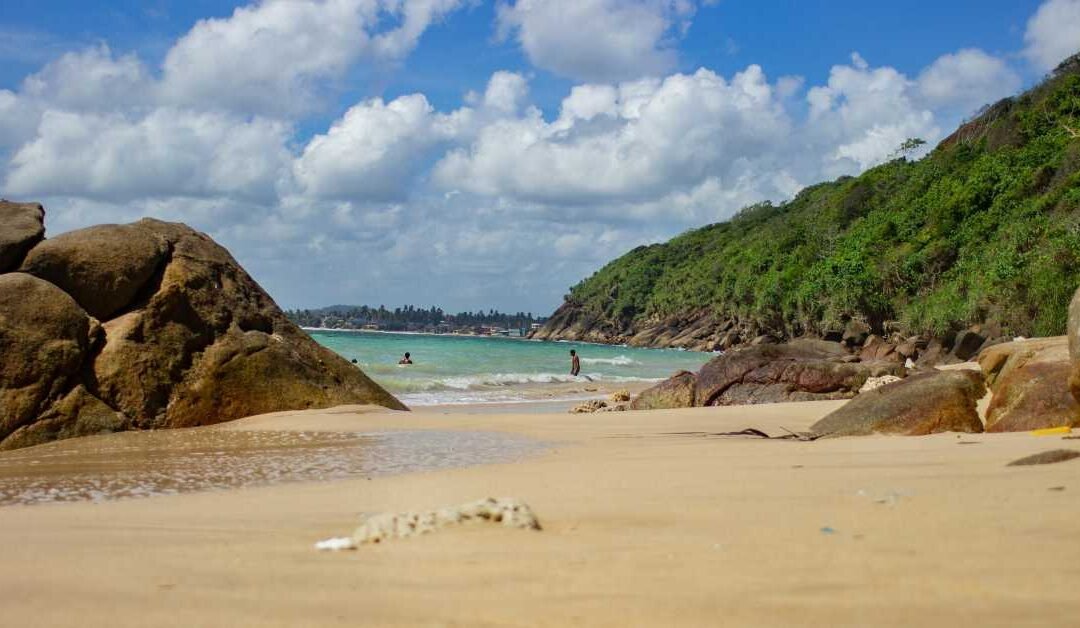
- Casuarina Beach (Karainagar): Named after the casuarina trees that line the shore, this beach is incredibly shallow. You can walk out hundreds of meters into the sea, and the water will barely reach your waist.
- Kankesanthurai (KKS) Beach: Located near the northern port, this beach has some of the clearest water in the region. It’s a great spot for a quiet sunset.
5. The Cultural Landmarks of the Town
- Jaffna Public Library: Once one of the largest libraries in Asia, its burning in 1981 remains a deep scar in the local memory. The restored white building is a symbol of resilience. Pro-tip: You can only visit the interior during specific hours (usually 4:30 PM – 6:30 PM for tourists), so time your visit carefully.
- Jaffna Fort: This star-shaped fort, originally Portuguese and later Dutch, is a massive expanse of coral and limestone. Walking the ramparts at dusk is the best way to see the city meeting the sea.
- Nallur Kandaswamy Kovil: The most important Hindu temple in Jaffna. Its golden gopuram is iconic. If you visit in August, you’ll witness the 25-day Nallur Festival, a spectacle of drumming, chariot pulling, and deep devotion that draws hundreds of thousands.
The Culinary North: More Than Just Curry
Jaffna cuisine is distinct from the rest of Sri Lanka. It’s spicier, earthier, and heavily influenced by the sea and the palmyra tree.
- Mango’s Indian Vegetarian: Ask any local where to eat, and they’ll point you here. Their Masala Dosa and North Indian thalis are legendary. It’s always busy, always loud, and always delicious.
- Rio Ice Cream: You cannot leave Jaffna without visiting Rio. It is a cultural institution. Don’t expect artisanal, small-batch gelato; expect colourful, sugary, condiment-laden sundaes that have been making locals happy for decades. Try the “Special” or any flavour involving local fruits.
- The Jaffna Market: Wander through the narrow aisles of the central market. This is the place to buy Palmyra Jaggery (a dark, rich sugar), dried fish, and the famous Jaffna Curry Powder, which is darker and more robust than the southern varieties.
Logistics: The Road North
Reaching Jaffna has become significantly easier, but the distance remains.
By Train: The Yal Devi and the Uttara Devi are the primary lifelines. The 5:45 AM AC Intercity from Colombo Fort is the fastest option, reaching Jaffna in about 6 to 7 hours. The journey through the central plains and up the “Elephant Pass”—the narrow strip of land connecting the peninsula to the mainland—is visually stunning.
By Road: It’s a 360 km drive from Katunayake Airport. If you’re driving, take the A9. The road is excellent, but it’s a long haul (approx. 7–8 hours). Break your journey in Anuradhapura to see the ancient ruins before making the final push north.
Local Transport: Once in Jaffna, the most versatile way to get around is by Tuk-Tuk. For the islands, you’ll need to get to the Kurikadduwan (KKD) Jetty. It’s about a 45-minute drive from town. Be prepared for the ferry ride to Delft—it’s a public service, often crowded, and can be a bit of a “wet” experience if the sea is choppy.
When the Sea Takes Over
The beauty of Jaffna’s outer islands and its ending roads is that they demand something from you: patience. You cannot rush a ferry that is waiting for the tide. You cannot hurry a pony crossing a dirt track in Delft.
Travelling here is a reminder that the world is still full of places that don’t care about your “to-do” list. Whether you are standing at the edge of the Sakkottai Cape or sharing a meal in a village home on Delft, the North teaches you that sometimes, the most rewarding part of a journey isn’t the road itself—it’s what happens when the road finally gives up and meets the sea.