
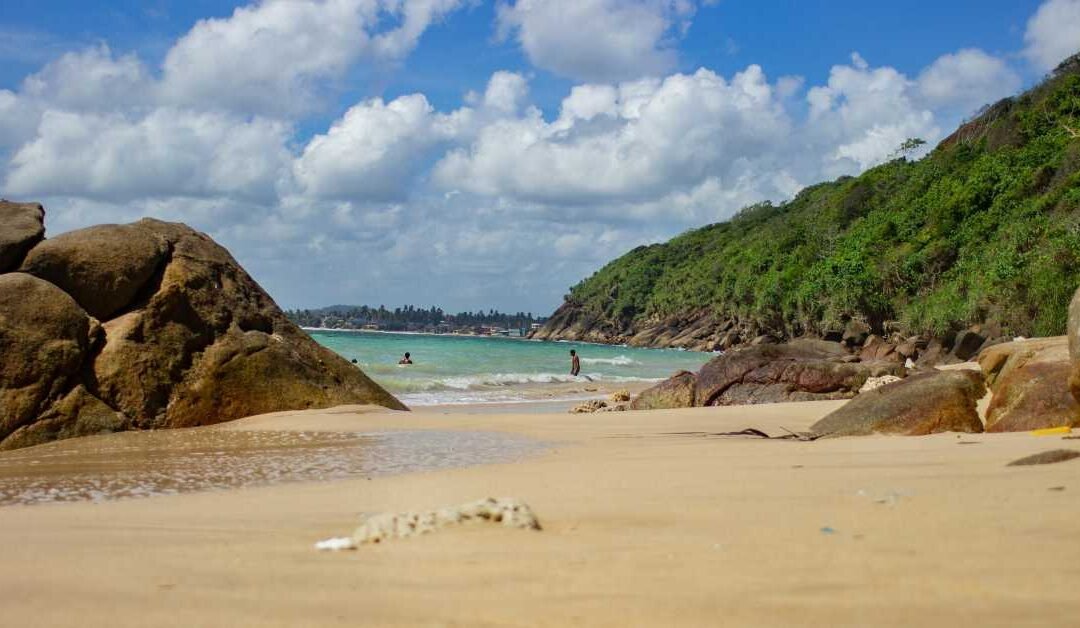
Jaffna’s Outer Islands: Delft Island and Nainativu

Jaffna’s Outer Islands: Delft Island and Nainativu

The road north doesn’t just end; it dissolves. It’s a slow surrender where the sun-cracked asphalt of the A9 highway eventually gives way to the salt-spray of the Palk Strait. To travel to Jaffna’s outer islands, Delft, Nainativu, and the smaller, quieter specks of land—is to engage in an act of geographical trust. You are leaving the “main” behind and stepping into a world where the sea doesn’t just surround you; it dictates your schedule, your diet, and your very sense of time.

If you are planning to follow this road to its literal end, you’ll need a base. Jaffna town is that anchor, a city that has spent the last decade waking up, shaking off the dust of history, and opening its doors with a level of hospitality that feels both ancient and urgent.


Where to Stay: From Heritage Villas to Modern Heights

Jaffna’s accommodation scene is a fascinating map of its own history. You have the grand colonial “Illams” (ancestral homes) that have been restored to their former glory, and the high-rise hotels that represent the city’s forward-looking pulse.

The Luxury & Boutique Selection

For those who want to feel the weight of history without sacrificing a high thread count, the Heritage Properties are unbeatable.

  • Fox Jaffna by Fox Resorts: Located in Kokuvil, this is more than a hotel; it’s an art gallery. Set on a sprawling estate that was once a colonial ancestral home, it features two historic villas and a series of modern rooms. The property even houses a hidden bunker from the war years, now transformed into a poignant gallery.
  • Jetwing Mahesa Bhawan: This is a boutique gem. It’s a restored family home that captures the “Illam” aesthetic—high ceilings, open courtyards, and a deep sense of privacy. It’s where you go to disappear into a book while the scent of jasmine drifts through the corridors.
  • Thambu Illam: A 100-year-old family home turned boutique hotel. It’s small, intimate, and feels like staying with a very wealthy, very tasteful uncle. The pool area is a quiet sanctuary after a dusty day on the islands.

The Modern Mainstays

If you prefer a view of the skyline and the lagoon, the taller buildings in the town centre provide a different perspective.

  • Jetwing Jaffna: Standing as one of the tallest buildings in the city, it offers a 360-degree view of the peninsula from its rooftop bar. Looking out over the rooftops toward the Jaffna Fort at sunset is a rite of passage for any traveller.
  • NorthGate Jaffna: Located right next to the Jaffna Railway Station, this is the epitome of convenience. If you’re arriving on the Yal Devi express from Colombo, you can walk from the platform to your check-in desk in five minutes. It’s modern, efficient, and has an excellent gym and pool.
  • The Thinnai: Situated in Thirunelveli, this “all-suite” hotel is perfect for families. They lean heavily into the “organic” lifestyle, even running their own farm nearby, which supplies the restaurant.

Budget & Authentic Stays

  • Valampuri Hotel: A solid mid-range choice near the station with a great pool and very reliable Jaffna-style buffets.
  • Green Grass Hotel: A local legend. It’s unpretentious and famous for its “tandoori” nights and lively atmosphere.
  • Munril Guest: For a truly local feel, this guesthouse is consistently rated for its cleanliness and the warmth of its owners.

Staying at the Edge: Accommodation on the Islands

Most people treat Delft and Nainativu as day trips, but there is a profound magic in staying after the last ferry has departed. When the tourists leave, the islands return to the locals, the ponies, and the wind.

  • Delft Village Stay: This is the most authentic way to experience the island. You aren’t staying in a luxury resort; you’re staying in a village home or a comfortable tented setup. It’s about the hospitality—Tommy, the host, is well-known for organising tuk-tuk tours and serving home-cooked meals that feature the freshest seafood you will ever taste.
  • Delft Jungle Beachfront Villa: If you’ve ever wanted to wake up to the sound of the ocean hitting coral rock, this is your spot. It’s rustic, quiet, and perfectly positioned for those who want to explore the island on two wheels.

Beyond the Islands: More Places to Discover

If you think Jaffna begins and ends with the islands, you’re missing the heartbeat of the peninsula. Once you’ve crossed the causeways back to the mainland, several “must-visit” sites define the North.

1. Keerimalai: The Mongoose Hill and Sacred Springs

About 20 kilometres north of Jaffna town lies Keerimalai. Legend has it that an Indian sage with a mongoose-like face (Nagula Muni) bathed in these natural springs and was cured of his deformity. Today, the Keerimalai Springs are a popular spot for a ritual dip. The freshwater pool sits right on the edge of the turquoise sea, separated only by a low stone wall. Next door is the Naguleswaram Kovil, one of the five ancient Shiva temples (Ishwarams) on the island, a place of immense spiritual gravity.

2. Kandarodai (Kadurugoda) Viharaya

Deep in the heart of the palmyra groves is a site that looks like nothing else in Sri Lanka. Kandarodai features a cluster of about 20 miniature stupas made of coral stone. No one is quite sure who built them or why they are so small—some say they mark the burial sites of 60 monks—but the atmosphere is undeniably eerie and beautiful. It feels like an archaeological secret that the rest of the world hasn’t quite discovered yet.

3. Point Pedro and Sakkottai Cape

If you want to reach the absolute top of the country, head to Point Pedro. Follow the coastal road until you see the Point Pedro Lighthouse. A short distance away is Sakkottai Cape, the northernmost point of Sri Lanka. There is a small concrete flag of Sri Lanka painted on the shore, marking the spot. Standing here, looking out at the Palk Strait, you are closer to India than you are to Colombo. It is a place of literal and metaphorical horizons.

4. The Beaches: Casuarina and KKS

Jaffna’s beaches aren’t like the surfing hubs of the south. They are shallow, calm, and often empty.

  • Casuarina Beach (Karainagar): Named after the casuarina trees that line the shore, this beach is incredibly shallow. You can walk out hundreds of meters into the sea, and the water will barely reach your waist.
  • Kankesanthurai (KKS) Beach: Located near the northern port, this beach has some of the clearest water in the region. It’s a great spot for a quiet sunset.

5. The Cultural Landmarks of the Town

  • Jaffna Public Library: Once one of the largest libraries in Asia, its burning in 1981 remains a deep scar in the local memory. The restored white building is a symbol of resilience. Pro-tip: You can only visit the interior during specific hours (usually 4:30 PM – 6:30 PM for tourists), so time your visit carefully.
  • Jaffna Fort: This star-shaped fort, originally Portuguese and later Dutch, is a massive expanse of coral and limestone. Walking the ramparts at dusk is the best way to see the city meeting the sea.
  • Nallur Kandaswamy Kovil: The most important Hindu temple in Jaffna. Its golden gopuram is iconic. If you visit in August, you’ll witness the 25-day Nallur Festival, a spectacle of drumming, chariot pulling, and deep devotion that draws hundreds of thousands.

The Culinary North: More Than Just Curry

Jaffna cuisine is distinct from the rest of Sri Lanka. It’s spicier, earthier, and heavily influenced by the sea and the palmyra tree.

  • Mango’s Indian Vegetarian: Ask any local where to eat, and they’ll point you here. Their Masala Dosa and North Indian thalis are legendary. It’s always busy, always loud, and always delicious.
  • Rio Ice Cream: You cannot leave Jaffna without visiting Rio. It is a cultural institution. Don’t expect artisanal, small-batch gelato; expect colourful, sugary, condiment-laden sundaes that have been making locals happy for decades. Try the “Special” or any flavour involving local fruits.
  • The Jaffna Market: Wander through the narrow aisles of the central market. This is the place to buy Palmyra Jaggery (a dark, rich sugar), dried fish, and the famous Jaffna Curry Powder, which is darker and more robust than the southern varieties.

Logistics: The Road North

Reaching Jaffna has become significantly easier, but the distance remains.

By Train: The Yal Devi and the Uttara Devi are the primary lifelines. The 5:45 AM AC Intercity from Colombo Fort is the fastest option, reaching Jaffna in about 6 to 7 hours. The journey through the central plains and up the “Elephant Pass”—the narrow strip of land connecting the peninsula to the mainland—is visually stunning.

By Road: It’s a 360 km drive from Katunayake Airport. If you’re driving, take the A9. The road is excellent, but it’s a long haul (approx. 7–8 hours). Break your journey in Anuradhapura to see the ancient ruins before making the final push north.

Local Transport: Once in Jaffna, the most versatile way to get around is by Tuk-Tuk. For the islands, you’ll need to get to the Kurikadduwan (KKD) Jetty. It’s about a 45-minute drive from town. Be prepared for the ferry ride to Delft—it’s a public service, often crowded, and can be a bit of a “wet” experience if the sea is choppy.


When the Sea Takes Over

The beauty of Jaffna’s outer islands and its ending roads is that they demand something from you: patience. You cannot rush a ferry that is waiting for the tide. You cannot hurry a pony crossing a dirt track in Delft.

Travelling here is a reminder that the world is still full of places that don’t care about your “to-do” list. Whether you are standing at the edge of the Sakkottai Cape or sharing a meal in a village home on Delft, the North teaches you that sometimes, the most rewarding part of a journey isn’t the road itself—it’s what happens when the road finally gives up and meets the sea.
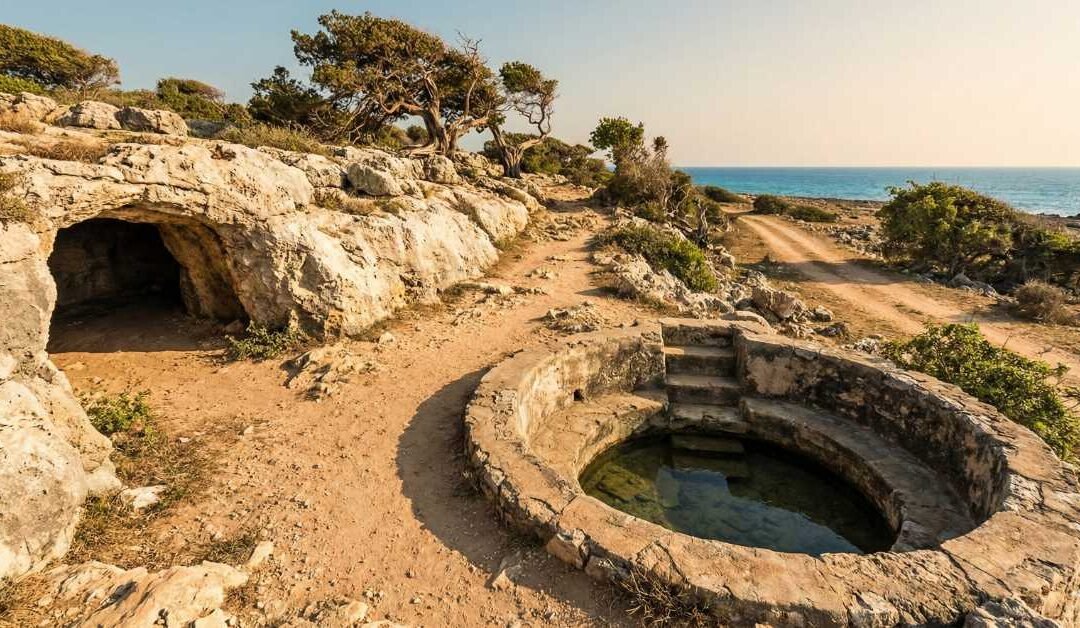
Limestone Trails of Jaffna: Caves, Wells, and Forgotten Coastal Paths

Limestone Trails of Jaffna: Caves, Wells, and Forgotten Coastal Paths

I arrived in Jaffna with salt on my skin and limestone dust on my shoes, though I didn’t know it yet. The north of Sri Lanka doesn’t announce itself with lush drama or postcard waterfalls. Instead, it whispers. It’s a place of porous stone and patient wells, of coastlines that look unfinished in the best possible way. Jaffna is shaped by limestone, and once you begin to notice it, everything from the caves to the wells to the quiet roads edging the sea starts to make sense.

This journey became less about ticking off sights and more about following trails that felt geological, cultural, and personal all at once.

Getting to Jaffna from Katunayake Airport

Landing at Katunayake, Sri Lanka’s main international gateway, you’re still a long way from Jaffna—but it’s a satisfying journey north.

By Train: After reaching Colombo Fort from the airport, I boarded a northbound train that slowly traded city chaos for palmyrah palms and open sky. The rhythm of the tracks gave the journey a meditative quality, and arriving at Jaffna Railway Station felt like stepping into a different tempo of life.

By Road: If you prefer flexibility, the drive north is a long but fascinating cross-section of the island. Private taxis and self-driven routes pass ancient tanks, dry-zone forests, and roadside fruit sellers who seem to exist outside time.

By Domestic Flight: For those short on time, small aircraft connect the west coast to the north, offering aerial views of lagoons and salt pans that preview the landscape ahead.

No matter how you arrive, Jaffna feels earned.

First Encounters with Limestone Country

Jaffna sits on a limestone plateau, unlike the rest of Sri Lanka. There are no rivers here. Instead, rainwater disappears underground, stored in aquifers and drawn back up through wells that dot almost every household.

My first walk through the city revealed open wells at street corners, framed with stone or concrete, often decorated with flowers. These aren’t relics, they’re alive, functional, and central to daily life. Limestone gives, and Jaffna remembers.

Exploring the Caves of Nilavarai

A short journey from the city took me to the Nilavarai caves, one of Jaffna’s most intriguing geological features. From above, it looks like an unassuming circular pit. Peer inside, and the earth opens up.

Legend says the cave has no bottom. Science says otherwise—but neither explanation dulls the sense of mystery. The water below is impossibly still, reflecting the sky like a portal rather than a pool.

Standing there, I felt like I was at the edge of Jaffna’s subconscious. The limestone here doesn’t just hold water; it holds stories.

What to do: – Walk the perimeter slowly and observe how light shifts across the opening – Talk to locals who casually recount myths older than maps – Sit quietly, this is a place that rewards stillness

The Wells That Built a Civilization

In most places, wells are utilitarian. In Jaffna, they’re architectural and social landmarks.

Some wells are circular, others square. Some are deep and shadowy, others shallow enough to glimpse the sandy bottom. Many homes still depend on them daily, drawing fresh water filtered naturally through limestone.

One afternoon, I followed a neighbourhood path that connected several wells like beads on a string. Children washed bicycles nearby. Elders chatted in the shade. It felt less like infrastructure and more like choreography.

What to see: – Traditional open wells in residential areas – Temple wells with carved stonework – Coastal wells where fresh water improbably exists near the sea.

Forgotten Coastal Paths

Jaffna’s coastline doesn’t behave like the south’s. There are no dramatic cliffs or surf breaks demanding attention. Instead, there are paths—narrow, pale, and almost apologetic—running alongside the sea.

I walked one such path near Kankesanthurai, where limestone meets salt air. The ground crunched softly underfoot. Fishermen repaired nets beside boats that looked more sculpted than built.

These coastal trails feel forgotten not because they’re abandoned, but because they don’t ask to be noticed. And that’s their charm.

What to do: – Walk early morning or late afternoon when the light is kind – Watch birds skim low over tidal flats – Let yourself get lost—paths reconnect eventually.

Kayts and the Island Edge

A short crossing brought me to Kayts Island, where the limestone narrative continues with a maritime accent. Here, the land feels thinner, more porous, as if the sea is slowly reclaiming it grain by grain.

Old churches, quiet harbors, and wind-shaped trees give the island a contemplative mood. The roads are narrow, the horizons wide.

Kayts isn’t about highlights—it’s about margins.

Temples, Forts, and Stone Memory

Jaffna Fort rises from the ground like it grew there, its coral-limestone walls glowing softly in the afternoon sun. Built, fought over, abandoned, and reclaimed, the fort is a crash course in colonial history compressed into stone.

Inside, the wind carries the smell of the sea and something older—time itself, perhaps.

Nearby temples echo this sense of endurance. Limestone foundations support vibrant rituals, proving that geology and belief are often collaborators.

Where to Stay

Jaffna offers stays that mirror its character quiet, thoughtful, and rooted.

  • Heritage homes converted into guesthouses offer shaded courtyards and stories with your morning tea
  • Boutique stays blend minimal design with local materials
  • Family-run lodgings provide unmatched warmth and insight into daily life

Wherever you choose, you’ll likely wake to birds, bicycles, and the distant sound of water being drawn from a well.

What to Eat Along the Way

While this journey was shaped by stone, it was fueled by food. Jaffna’s cuisine is bold, fermented, fiery, and unforgettable.

From roadside snacks wrapped in paper to home-cooked meals heavy with spice and care, eating here feels like being let in on a secret.

Don’t rush meals. Jaffna doesn’t.

Practical Tips for the Limestone Trail

  • Walk slowly—details emerge at a patient pace
  • Carry water; the landscape is dry but deceptive
  • Respect wells and sacred sites; many are still in daily use
  • Engage locals—they are the best guides to hidden paths

Leaving Jaffna

When I left Jaffna, it wasn’t with the usual collection of dramatic photos. Instead, I carried textures: chalky dust on my hands, cool stone under my feet, the quiet echo of water far below ground.

The limestone trails of Jaffna don’t shout for attention. They wait.

And if you follow them through caves, past wells, and along forgotten coastal paths—you’ll find a version of Sri Lanka that doesn’t try to impress, only to endure.

That, I think, is its greatest beauty.

Discovering Jaffna’s Vibrant Culture and Modern Renaissance

Discovering Jaffna’s Vibrant Culture and Modern Renaissance

Jaffna, located in the northernmost part of Sri Lanka, is a city rich in history and culture. The city has faced its share of challenges in the past, including a long civil war that ended in 2009, but it has since undergone a modern renaissance that has made it a must-visit destination for travelers. From its vibrant culture to its stunning architecture and delicious cuisine, Jaffna has something for everyone.

Culture and History

Jaffna has a rich cultural heritage that is evident in its many temples, palaces, and museums. One of the most famous attractions in Jaffna is the Nallur Kandaswamy Kovil, a stunning Hindu temple that is said to be over 1,000 years old. The temple is a must-visit for anyone interested in Hinduism or architecture.

Another famous attraction in Jaffna is the Jaffna Fort, a 17th-century Dutch fort that has undergone several renovations over the years. The fort is an important part of Jaffna’s history and is a popular spot for tourists to visit.

Jaffna is also home to several museums, including the Jaffna Archaeological Museum and the Jaffna Public Library. The Jaffna Archaeological Museum houses artifacts and exhibits related to the city’s history, while the Jaffna Public Library is a stunning example of modern architecture and a symbol of the city’s rebirth.

Cuisine

Jaffna is known for its delicious cuisine, which is influenced by its Tamil heritage. One of the most famous dishes in Jaffna is crab curry, a spicy dish made with fresh crabs and a variety of spices. Other popular dishes include mutton rolls, dosai, and string hoppers.

Jaffna is also known for its sweet treats, including halwa and palkova. Halwa is a sticky, sweet dessert made with semolina, while palkova is a type of milk-based fudge.

Modern Renaissance

Jaffna has undergone a modern renaissance in recent years, with new businesses and attractions popping up all over the city. One of the most exciting developments in Jaffna is the opening of the Jaffna International Airport, which has made it easier for tourists to visit the city.

The city has also seen the opening of several new hotels and restaurants, as well as the restoration of many historic buildings. One of the most notable restoration projects in Jaffna is the restoration of the Jaffna Public Library, which was destroyed during the civil war and has since been rebuilt to its former glory.

In addition to its many cultural attractions and delicious cuisine, Jaffna is also home to several modern art galleries and performance spaces. The city’s art scene is thriving, with local artists showcasing their work in galleries and public spaces.

Conclusion

Jaffna is a city rich in history, culture, and cuisine, and it is undergoing a modern renaissance that has made it a must-visit destination for travelers. From its stunning temples and palaces to its delicious cuisine and modern art scene, Jaffna has something for everyone. Whether you are interested in history, art, or food, Jaffna is a city that should not be missed.